Housing & Community Development
Affordable housing, homeownership, inclusionary housing, LIHTC, community development finance, and the institutions that stabilize households and neighborhoods.
Research program
My research examines the spatial and institutional systems that shape opportunity, vulnerability, and community capacity. Projects combine spatial analysis, policy analysis, institutional analysis, surveys, interviews, focus groups, administrative data, and community-engaged methods.
Each theme links academic questions to applied planning problems faced by communities, public agencies, nonprofit organizations, and regional institutions.
Affordable housing, homeownership, inclusionary housing, LIHTC, community development finance, and the institutions that stabilize households and neighborhoods.
Transportation access for older adults, people with disabilities, transportation-disadvantaged households, and nonprofit mobility systems.
Coastal flood risk, managed retreat, healthy aging, subsidized housing, service access, and community continuity.
Spatial capacity loss, municipal fiscal stress, infrastructure burdens, regional interdependence, and governance mechanisms for adaptation.
This work examines how housing policy and community institutions shape access to opportunity, wealth-building, neighborhood stability, and fair housing outcomes.
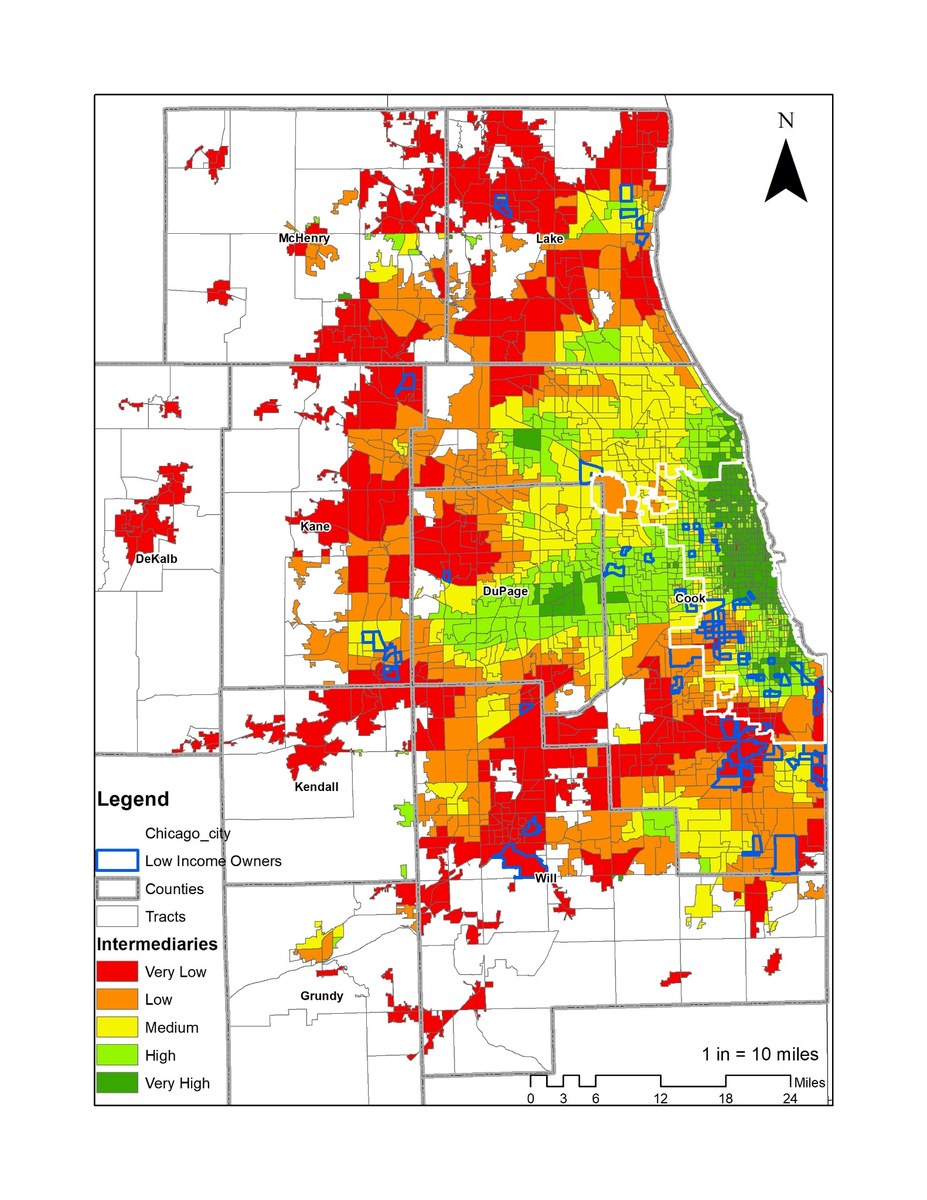
This research critiques conventional opportunity mapping by showing how community-based support systems shape the feasibility of low-income and minority homeownership.
With Ruoniu Wang and Grounded Solutions Network, this work documents inclusionary housing programs across U.S. jurisdictions and examines how program design, local market conditions, and implementation capacity shape affordable housing production.
This project studies how fair housing litigation shaped Texas Qualified Allocation Plans, deconcentration incentives, revitalization criteria, community opposition rules, and definitions of neighborhood opportunity.
This work studies mobility as a condition of health, social participation, food access, public service access, and community life.
This applied research examined the institutional and infrastructure conditions needed to implement a One-Call/One-Click transportation system for older adults, people with disabilities, and transportation-disadvantaged riders in the San Antonio region.
In collaboration with the University of North Texas and Metrocrest Services, this mixed-methods evaluation examined whether flexible transportation incentives could expand mobility for older adults and disabled riders beyond medical appointments.
This research examines how mobility coordination systems are organized nationally, including host institutions, jurisdictional scale, target population, service model, funding arrangements, and actual transportation supply.
This work asks how climate risk intersects with aging, subsidized housing, mobility, health, and community support systems.
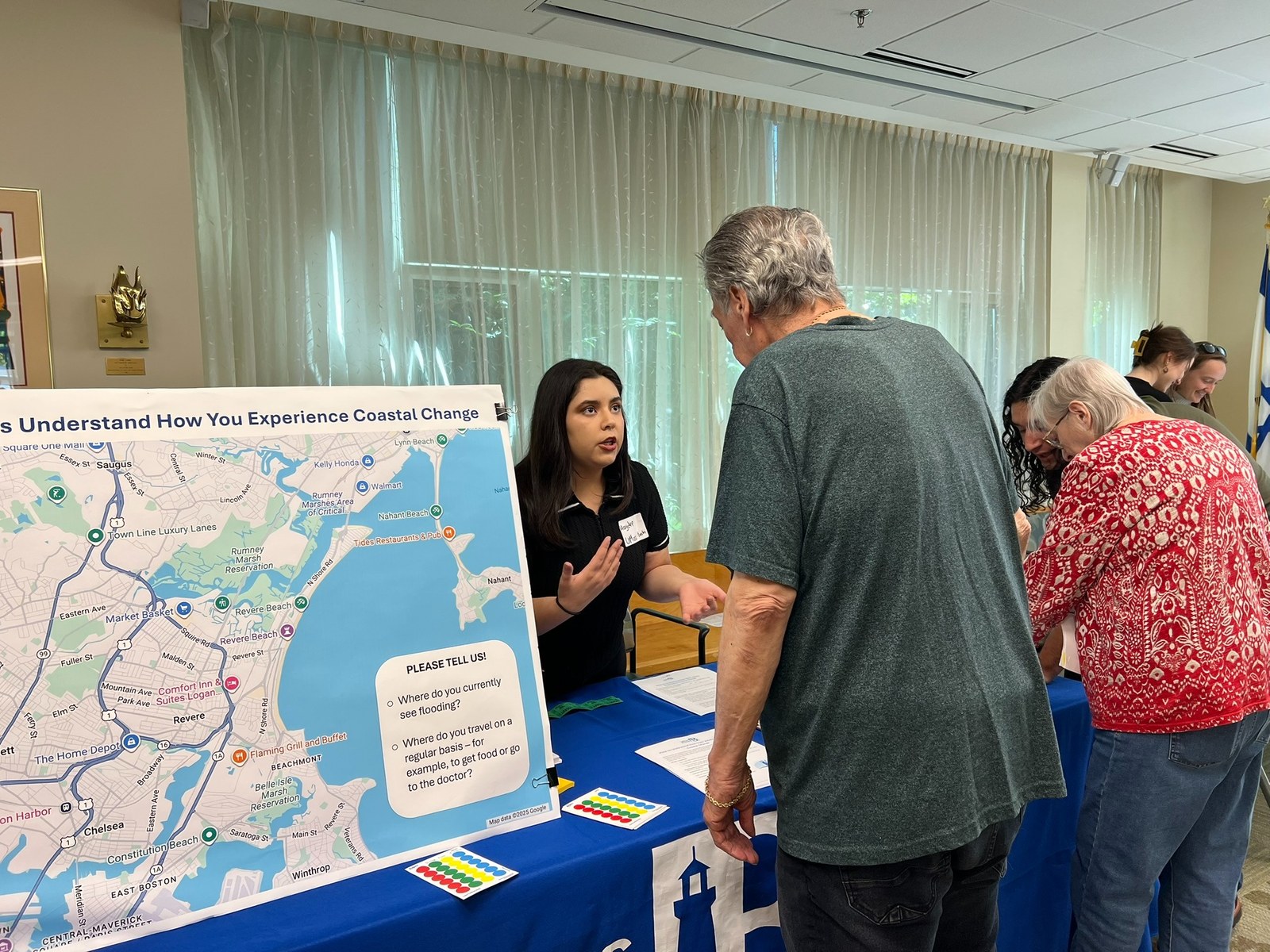
In collaboration with UMass Boston Gerontology and the Urban Harbors Institute, this project examines how flood risk, housing vulnerability, mobility constraints, health needs, social networks, and service systems shape climate adaptation for older adults in subsidized housing.
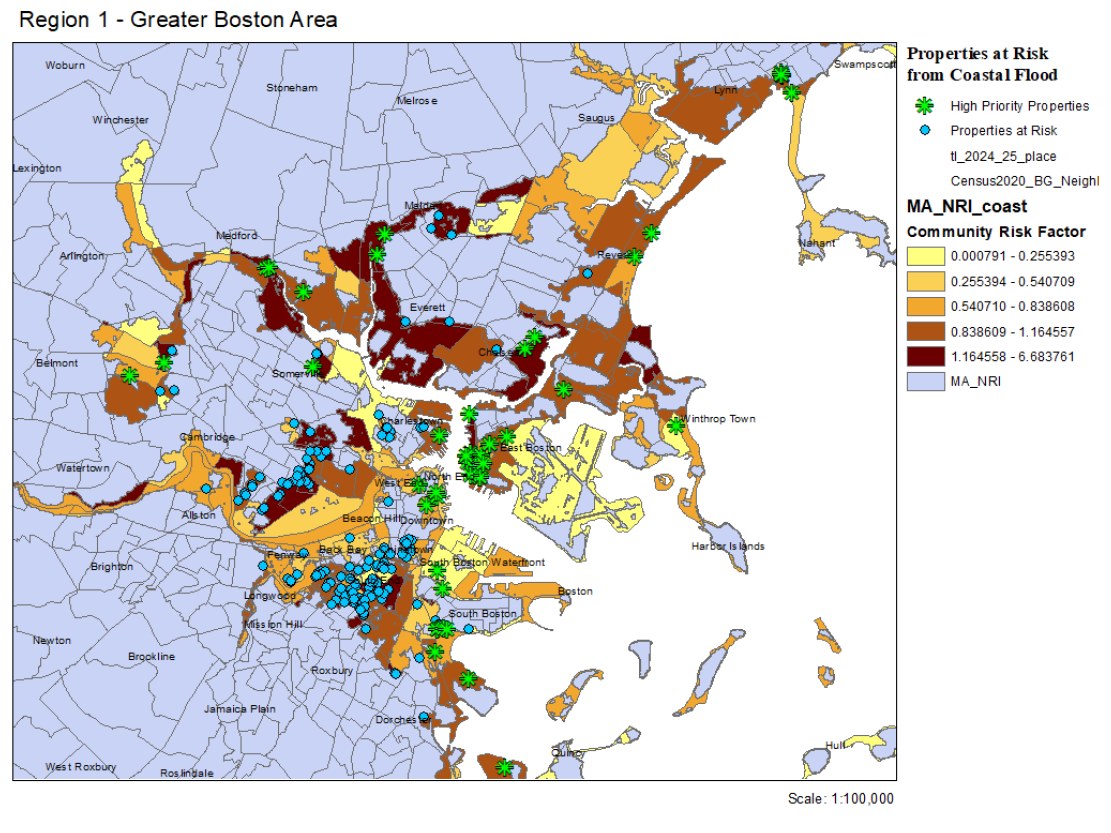
Student research in Housing Policy and Community Development Finance examined the vulnerability of elderly and disabled residents in subsidized housing to sea-level rise and coastal flooding in Massachusetts.
This emerging research agenda supports the intellectual foundation for my NSF CAREER proposal.
This work develops a regional governance framework for understanding how hazards, infrastructure deterioration, insurance instability, demographic change, uneven investment, and fiscal dependence reduce the capacity of land and infrastructure to support housing, employment, public services, and community life.